How Much Does It Cost to Build a Fitness App in 2026? Real Prices for Gyms, Trainers & Coaches
Straight answers for gym owners, personal trainers and online coaches: what a fitness app costs to build in 2026, what drives the price, the running costs nobody mentions, and the cheaper route most agencies won't tell you about.
The Short Answer
A fitness app costs anywhere from about $500 to well over $100,000 in 2026. The price depends far less on "fitness" than on one decision: are you renting a platform, building from scratch, or adapting an app that already works?
| Route | Typical cost | You own it? |
|---|---|---|
| Coaching platform subscription | Monthly fee, from roughly $29/month and rising with clients and branding | No |
| Custom app built from scratch by an agency | $30,000–$100,000+ for a first version | Yes |
| Full-featured app (wearables, live video, payments) | $180,000–$300,000 | Yes |
| Adapting a working fitness app to your brand | From around $500 | Yes |
Agency figures are published estimates from fitness app developers such as RaftLabs and DevTechnosys. Platform pricing from FitBudd. Check current prices before deciding.
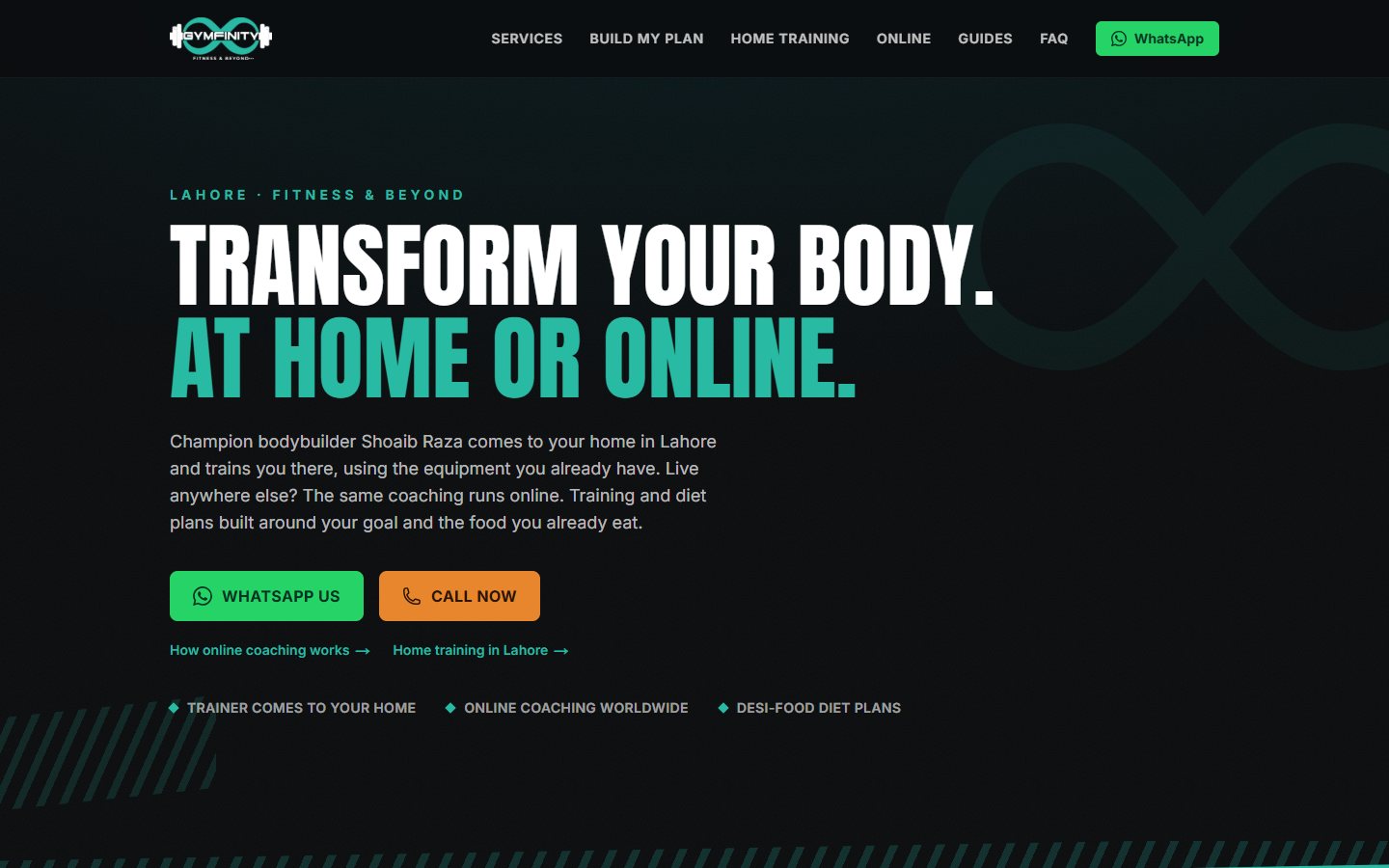
At Softologics we build in the last row. We built the private member app that fitness brand Gymfinity uses with its clients, and we adapt that working app for other gyms and coaches. So this guide is written by people who have actually shipped one, with that bias stated up front.
Option 1: Rent a Coaching Platform
Most personal trainers start here. Platforms like Trainerize, My PT Hub, Everfit and FitBudd give you workout builders, client messaging and progress tracking for a monthly fee.
Good for: trainers testing online coaching with a handful of clients.
The catch:
- You pay every month. The fee usually grows with your client count, and custom-branded versions sit on higher tiers.
- It's their product. Your clients use their app and layout, and your data lives on their servers.
- You can't change much. If you want local foods in the tracker or a different check-in flow, you wait for their roadmap.
If you're searching for Trainerize alternatives, the reason is usually one of those three.
Option 2: Build From Scratch With an Agency
This is where the big numbers come from. Published estimates for a custom fitness app MVP sit around $60,000–$100,000, and gym management software with a member app around $30,000–$65,000 for a focused first version.
Good for: funded fitness startups building a product to sell to thousands of users.
The catch: three to six months before anyone uses it, and you pay for every screen to be designed and built for the first time, including the ones every fitness app has anyway: logins, food logs, workout plans, progress charts.
Option 3: Adapt an App That Already Works
Most gyms and coaches don't need a new invention. They need the standard screens with their own brand, plans and foods, and increasingly an AI coach. That's what we built for Gymfinity:
- Today: daily weigh-in, steps, sleep and notes, calories left and the day's workout
- Food: calorie and protein/carb/fat tracking with local foods, logged by photo, description or typed numbers
- Plan: a weekly routine with sets, reps, form cues and demo videos
- Progress: a weight chart with a 7-day average and logged workouts
- Ask AI: a coach that knows the member's plan, estimates meals and can change the routine
Because those screens already exist and are in daily use, adapting them to your brand starts from $500 instead of tens of thousands. See what's included.
What Drives the Price of a Fitness App
| Feature | Cost impact | Needed on day one? |
|---|---|---|
| Member logins and profiles | Low | Yes |
| Food and calorie tracking | Medium (the food database is the work) | Usually |
| Workout plans with demo videos | Low to medium | Yes |
| Progress charts | Low | Yes |
| AI coach | Medium, plus monthly AI usage | Increasingly expected |
| App Store and Google Play versions | High (two platforms, review process) | Often not; a mobile web app works on any phone |
| Live video classes | High | Rarely for small gyms |
| Wearable integrations (Apple Health, Garmin) | High | Rarely |
| In-app payments and subscriptions | Medium to high | Many coaches already take payments elsewhere |
The pattern: the features every client uses daily are cheap. The ones that look impressive in a pitch deck are expensive.
The Running Costs Nobody Mentions
Whichever route you pick, budget for:
- Hosting. Small for a coaching business, but not zero.
- AI usage. If the app has an AI coach, each conversation costs a small amount in API fees.
- App store fees. Apple charges a yearly developer fee and Google a one-time fee, only if you publish there.
- Maintenance. Large custom builds are often budgeted at 15–20% of the build cost per year.
Ask any developer to write these down before you sign. We include them in every quote.
Which Route Is Right for You?
- Under 10 online clients and still testing? Rent a platform for a few months.
- A gym, studio or established coach who wants your own brand and to stop paying per client? Adapt a working app.
- Building a fitness product to sell to the public at scale? Budget for a from-scratch build and a full team.
Fitness App Cost FAQ
How much does it cost to build a fitness app in 2026?
Built from scratch by an agency, a first version is commonly quoted at $30,000 to $100,000+, and full-featured apps with wearables and video can pass $180,000. Adapting an app that already works for a fitness business can start from around $500.
Is it cheaper to use a coaching platform or build my own fitness app?
A coaching platform is cheaper to start, but you pay every month for as long as you use it and your clients live on someone else's platform. Owning your app costs more upfront but has no per-member platform fee and keeps your brand and client data yours.
What features does a fitness app need?
For most gyms and coaches: member logins, food and calorie tracking, workout plans with demo videos, progress charts and a way to talk to the coach. Live video, wearables and in-app payments add the most cost.
How long does it take to build a fitness app?
A from-scratch first version usually takes three to six months. Adapting an existing, working fitness app to a new brand takes weeks, not months.
What are the ongoing costs of a fitness app?
Hosting, AI usage if the app has an AI coach, app store fees if it is in the App Store or Google Play, and maintenance. Agencies commonly budget 15 to 20 percent of the build cost per year for maintenance on large custom apps.
Get a Price for Your Fitness App
We'll show you the working app on a free call, ask how you coach, and send a fixed written quote for your version, including running costs. See our fitness app development service or book a call.
Related: Gymfinity case study · SaaS & web app development · Website development cost in the USA
Related resources from Softologics
Explore our SEO services for roofing companies, our digital marketing agency for USA businesses, or browse our free SaaS tools. Ready to grow? Visit our contact page.
SEO & website design for roofing companies
Page 1 rankings and a converting website built for USA roofers.
Digital marketing agency for USA businesses
SEO, content, and conversion strategy for small businesses in the USA.
Professional company profile design
Premium brand profiles that attract high-value clients and investors.
Free SaaS tools — TTS, video converter & more
Text-to-speech, video to audio, and bulk email tools. All free.
Related blog posts
More guides on SEO, digital marketing strategy, and business growth.
Content Marketing Statistics 2026: Is Content Still Worth It When AI Answers First? (Data From 192 Marketers)
Straight answers to the questions business owners are asking in 2026: is content marketing still worth it, does AI search kill website traffic, how much should you publish, and what to measure. Built on GoodFirms' survey of 192 marketers, where Softologics was a research partner.
How Much Does a Website Cost in the USA? 2026 Prices, Timelines & What to Ask
Straight answers to what US business owners actually search: what a website costs in 2026, how long it takes, builder vs freelancer vs agency, the ongoing costs nobody mentions, and two live sites we built so you can judge for yourself.
What Is Schema Markup? The Plain-English Guide for US Businesses (2026)
Schema markup explained without jargon — what it is, why it matters more in AI search than it ever did for SEO, the types your business actually needs, and how to check what you already have.